

Art Therapy
What is Art Therapy? 
Art Therapy is a form of psychotherapy that uses art media as its primary mode of communication. It is not a recreational activity or an art lesson and as such clients do not need to have any specific interest, previous experience or expertise in art, although the sessions can be enjoyable.
Art Therapy has its roots in the “Open Studio” style practice with the first post being established in the NHS in 1946, although it was not until 1981 that the profession was officially recognised in the Health Service. Art Therapy is a recognised profession by the HCPC and operates under the guidelines of BAAT (British Association of Art Therapists).
What is an Art Therapist?
An Art Therapist is a qualified, registered professional who works with children and young people (CYP), adults and the elderly. They are trained in the psychology of mark making, symbolism, non verbal communication, psychotherapeutic understanding of child development, family dynamics and the importance of boundaries.
They recognise that image making is an extremely potent activity and aim to use their visual and psychotherapeutic literacy to enable change with those with whom they work. There is however always an emphasis on creativity and the therapeutic relationship. The ways in which this is done varies according to the client/patient group or individual, the context and the therapist. I personally work primarily in a psychodynamic way.
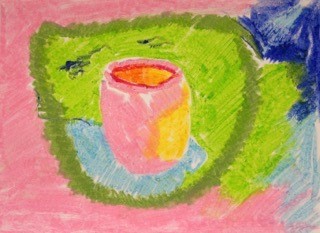 Why use Art Therapy with children and young people?
Art has long been known to have therapeutic properties. When creating visual images people use the part of their brain that is used before language develops; it is where visual memories are stored.
Sometimes CYP find it difficult talking about presenting problems and feelings, so communicating through another medium may enable this. The process of Art Psychotherapy and image making makes this possible.
CYP who use Art Therapy may have a wide range of difficulties, disabilities or diagnoses; these include emotional, behavioural or mental health issues, learning or physical disabilities, life limiting conditions, brain-injury or neurological conditions. For many it is easier to engage in therapy and relate to the therapist through the art object, which as a personal statement provides a focus for discussion, analysis and self evaluation.
The versatile service of Art Therapy can be offered when a client has not responded to other forms of therapy or support. Image making can often open a window onto the inner world and thus enable a rebuilding of self esteem, strengthening the ego and support developmental delay.